Pain is both global and deeply individual. Two people with the exact same diagnosis hardly ever define their discomfort the same way, and they hardly ever need the very same strategy. That is the obstacle and the advantage of discomfort monitoring. A well-built certification training course suffering administration offers medical professionals an organized means to create judgment, not just remember protocols. It blends pathophysiology with interaction abilities, pharmacology with practical goals, emergency situation pain monitoring with long-lasting stewardship. When done right, it raises technique throughout wards, centers, and communities.
I have actually educated and revamped a number of discomfort management training courses over the past years, ranging from short courses hurting management for hectic interns to extensive pain management accreditation programs for registered nurses and physiotherapists. The most effective programs transform how you listen before they change how you suggest. They educate you to gauge what matters to the individual, to prepare for danger, and to intervene early when plans drift off program. Below is a practical consider what a certification course hurting management should cover and how it can sharpen patient-centered care.
What "patient-centered" truly means suffering care
Patient-centered treatment is not a motto. It is an approach that begins with a cautious story, followed by a common interpretation of success. Suffering centers, that success may be walking to the mail box without quiting, resting with the evening two times a week, or getting through a job change without development pain. Pain scores help, yet they are just one lens.
In method, patient-centered discomfort management indicates you consistently inquire about function, rest, state of mind, fear-avoidance, and social context, then utilize those response to set concerns. If your plan needs twice-daily exercises but the person works double changes, the plan will fail. If neuropathic pain takes rest, daytime analgesia alone will dissatisfy. A certification training course ought to train clinicians to translate these truths right into targeted, practical steps.
Anatomy of a strong pain administration course
A meaningful pain monitoring certification course equilibriums core scientific research with professional craft. At minimum, expect insurance coverage of nociception and neuroplasticity, pharmacology with an emphasis on danger mitigation, multimodal non-drug therapies, and organized review. Numerous programs additionally include committed modules for unique populaces and intense setups, such as emergency situation discomfort management and perioperative care.
A modular strategy functions well. For instance, a 12 to 16 week certification course suffering monitoring might match once a week two-hour seminars with case meetings and simulation scenarios. Shorter alternatives, like weekend intensives or four-week sprints, can work for concentrated upskilling, specifically for groups in hectic environments. These short training courses in pain monitoring are beneficial for rejuvenating triage abilities, opioid security, and communication strategies, though they can not replace the breadth of a full program.
When examining pain monitoring training courses, look for explicit discovering results mapped to exercise. You want to see expressions like "conduct a function-oriented discomfort evaluation," "layout a multimodal prepare for acute crack discomfort," or "display for misuse and apply tapering approaches." Obscure pledges of "extensive pain administration training" without behavioral end results typically disappoint.
The vital structure: assessment that overviews action
Every discomfort plan is just as solid as the assessment. An excellent training course trains you to be methodical without being mechanical. You need to anchor the discomfort story in time, activates, and cells, then connect it with biology and behavior.
Start with the fundamentals: area, onset, character, radiation, connected signs and symptoms. Just how does activity transform it, and which specific movements? What time of day is worst? What does the patient do on a flare day? Then include devices that record influence. The PEG (discomfort strength, interference with pleasure of life, disturbance with basic task) is brief and helpful. On facility instances, pain drawings, sleep diaries, and brief state of mind displays like the PHQ-9 or GAD-7 add perspective.
Mechanisms issue. Nociceptive pain acts in a different way from neuropathic pain or central sensitization. That difference influences medication choices, assumptions, and recommendations. For example, burning, electric discomfort with allodynia suggests neuropathic motorists and factors towards representatives like gabapentinoids, SNRIs, or topical lidocaine, coupled with desensitization approaches in physical rehabilitation. A certification program ought to show medical professionals to recognize these patterns without overpromising excellent matches.
Risk assessment is part of the foundation. Screen for warnings such as cauda equina symptoms, infection danger, or swiftly modern neurologic deficiencies. For drug danger, tools like the Opioid Threat Tool can assist, yet they never replace scientific judgment. In technique you weigh previous overdose, simultaneous benzodiazepines, rest apnea, psychological health and wellness comorbidities, and social stability. Good training programs make these compromises specific and rehearsed.
Pharmacology without shortcuts
Many discomfort management accreditation programs fail by either oversimplifying pharmacology or sinking students in minutiae. Clinicians need a functioning pharmacopoeia and a danger map. The educational program should cover:
- Non-opioid anesthetics with real-world restraints. Acetaminophen is secure at right dosages yet simple to go beyond when clients utilize combination items. NSAIDs bring GI, renal, and cardiovascular threats that differ across the course and climb with age and comorbidities. Programs must teach exactly how to pile systems, for example acetaminophen plus a COX-2 careful representative in the lowest effective dosage and fastest duration for osteoarthritis flares, while monitoring blood pressure and kidney function.
Opioids call for sober, sensible advice. They have a function, particularly in severe injury, postoperative pain, cancer discomfort, and select palliative contexts. They likewise bring predictable dangers. A solid pain monitoring qualification course trains you to establish entry standards, define exit requirements, and connect both clearly. You find out to start reduced and go slow, prevent long-acting solutions in opioid-naïve patients, and paper useful objectives. You also find out to integrate naloxone co-prescribing and periodic checks of prescription monitoring programs where readily available. None of this is bureaucratic busywork; it protects against harm.
Adjuvants are worthy of equivalent emphasis. For neuropathic discomfort, first-line representatives typically include gabapentin or pregabalin, SNRIs such as duloxetine or venlafaxine, and tricyclics in very carefully chosen patients. Topicals like lidocaine patches or low-dose capsaicin belong when systemic dangers impend. Muscle depressants can aid short term in severe convulsion however included sedation and falls danger. A fully grown course does not demand a favorite yet discusses just how to select, dosage, and action down.
Real life seldom adheres to neat algorithms. The individual with chronic kidney illness and diabetic person neuropathy will certainly compel compromises. The elderly lady with osteoarthritis, reflux, and high blood pressure might endure acetaminophen and topical NSAIDs however not much a lot more. A great program teaches you to develop trials of treatment with clear metrics and time-limited checkpoints. If sleep boosts and walking distance rises by 20 percent, continue. If adverse effects place with no functional gain, pivot.
The non-pharmacologic core
Medication rarely addresses intricate pain alone. The proof is strongest for combined strategies that incorporate movement, rated exposure, psychological skills, and sleep health. Pain administration training for nurses and discomfort administration courses for physiotherapists need to highlight this mix, because nurses and physios usually carry the daily work of implementation.
Physiotherapy is not simply "reinforcing." For back pain with fear-avoidance, pacing and rated activity might boost function faster than raw toughness gains. Postoperative shoulder pain requires early, mild variety of movement and edema control long previously heavy work. For knee osteoarthritis, even small weight reductions and consistent quad involvement can transform outcomes. Great training courses show videos of workouts executed correctly and inaccurately, and they review just how to adjust protocols for minimal mobility, cultural considerations, or time constraints.
Psychological treatments are useful devices, not last hopes. Brief cognitive behavioral methods aid patients unstick catastrophic thoughts and re-engage with valued tasks. Acceptance and Dedication Therapy encourages activity toward function even when discomfort continues to be. These are teachable, especially for nurses that can supply micro-interventions at the bedside or during follow-up phone calls. A comprehensive discomfort monitoring training program includes manuscripts, duty plays, and integrity checks to make these abilities real.
Sleep and mood drive pain perception. Teach rest health like it matters, because it does. Support wake times, restrict displays late in the evening, different bed for rest from bed for rumination. For patients with PTSD, nightmares and hyperarousal might undermine every other intervention up until dealt with. Training courses that neglect these web links develop breakable plans.
Care in the quick lane: emergency pain management
Emergency divisions and prehospital groups deal with time stress and analysis uncertainty. A focused module on emergency situation pain administration ought to cover triage, rapid analgesia, and safety and security. In numerous areas, proficiencies straightened with device requirements such as puaeme008 offer discomfort administration set out demands for analyzing, connecting, and supplying time-critical analgesia under clinical administration. Whether your jurisdiction makes use of that specific code, the principle holds: structured protocols conserve mins, and minutes matter.
For intense fracture pain, intranasal fentanyl or ketamine can bridge voids when IV gain access to is delayed. For kidney colic, NSAIDs are powerful and reduce the requirement for opioids. For sickle cell vaso-occlusive crises, early, adequate application directed by prior reaction protects against rise. Splinting, ice or warmth, wound care, and reassurance are not afterthoughts. Emergency situation teams also need to think ahead: that requires short follow-up manuscripts, who requires clear return preventative measures, and who needs the first physio visit scheduled before they leave.
Good programs use scenarios. A teen with lower arm fracture in a country facility, a senior man with hip discomfort after an autumn on anticoagulants, a postpartum patient with extreme migraine. For each and every, decide what can be carried out in 5 mins, what need to be performed in thirty, and what should not be missed.
Building a strategy patients can really follow
Most plans stop working at the handoff. In my experience, when a person entrusts to a thick package of instructions, adherence declines. When they entrust a short, certain plan and a name to call, adherence surges. A pain monitoring certification program need to instruct medical professionals to compress strategies right into remarkable steps and to explain why each step matters.
Pacing is a good example. "Walk 10 mins two times a day for a week, after that 12 mins following week" beats "boost activity as endured." Tapering language issues also. "We will minimize oxycodone by 10 to 20 percent every one to two weeks. If discomfort flares for more than 3 days or function decreases, call the clinic. If you really feel withdrawal signs like sweating, queasiness, or anxiety, reduce the taper by a week." This is just how you equate danger monitoring into human terms.
Language shapes outcomes. Stay clear of informing clients their back has "deterioration" without context. State instead that most individuals develop age-related modifications that respond well to motion and time, and afterwards hand them the very first few actions to get going. If a nerve injury will certainly take months to settle, say so and set that fact with milestones they can reach along the way.
The registered nurse's vantage point
Pain management training for nurses has unique power because nurses see the long arc. They see patterns: the client who constantly harms more at 3 a.m., the one whose discomfort spikes when a certain clothing is transformed, the one who lightens up after ten mins of breathing exercises. A focused pain management training courses for nurses module ought to include medication reconciliation, nonpharmacologic comfort actions, very early detection of adverse effects, and motivational interviewing to reinforce habits change.
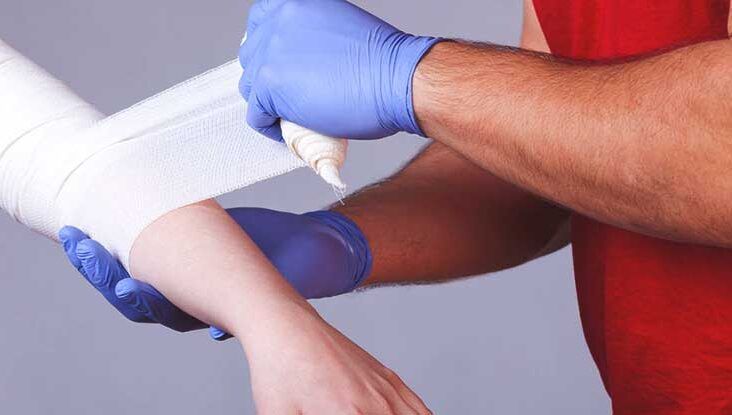
Nurses are typically the first to acknowledge delirium from sedatives, irregularity from opioids, or early respiratory system clinical depression. Training ought to hone that radar. Straightforward tools like feces charts and sedation scales stop injury and reduce keeps. Equipping nurses to cause order sets for bowel routines or to advise dosage timing adjustments can make an instant difference.
The physio therapist's lens
Pain monitoring programs for physiotherapists must dive into tons management, rated exposure, tissue recovery timelines, and pain education and learning. Describing central sensitization without seeming prideful is an ability. Individuals often believe "it remains in my head" when they read about sensitization, so the language has to confirm their experience while opening new choices. Demonstrating how mild touch advances right into bearable stress over sessions shows progression much better than any handout.
Physiotherapists also take care of assumptions around flare-ups. A well-timed message like "a 24 to 48 hour flare after increasing tons prevails, and we have actions to resolve it" keeps clients from abandoning progress at the very first problem. Control with prescribers to line up exercise days with analgesia tops can change consistency.
The duty of certification and exactly how to select a program
Certification needs to suggest something. A discomfort monitoring accreditation course that mixes didactic learning, simulation, supervised cases, and analysis produces medical professionals that are confident and secure. Try to find programs that include:
- Supervised case discussions where you offer a patient, safeguard your options, and reflect on outcomes.
Rigorous analysis is not an obstacle; it is your safety net. Multiple-choice examinations belong, but observed structured medical evaluations and reflective portfolios reveal whether you can exercise what you learned. For organizations, funding a team via the very same discomfort management certificate is usually smarter than one-off enrollments. Shared language and methods intensify benefits.
If you are selecting amongst discomfort monitoring training courses, ask about faculty. Do they exercise in primary care, emergency situation, perioperative medication, oncology, palliative care, or rehab? Breadth issues. Ask exactly how they show tapering and run the risk of mitigation. Ask how they engage with injustices suffering treatment, consisting of gender and racial differences in analgesia. Obscure answers are a warning sign.
Special situations that divide great from great
Pregnancy and postpartum durations complicate pain plans. NSAID use near term is limited, several neuropathic representatives are not very first line, and breastfeeding requires careful option. A program that comes to grips with these choices is believing like your patients live.
Older adults deserve tailored approaches. Lower renal clearance, polypharmacy, and fall danger modification everything. Tramadol is not a safe happy medium for many older individuals as a result of serotonergic communications and seizure risk. Show safer defaults, like topical NSAIDs for localized osteo arthritis and careful duloxetine trials with blood pressure monitoring.
Low-resource settings need flexible playbooks. When imaging is limited and wait times long, you lean harder on background, test, and inexpensive interventions. When medicine choices are limited, you require to know which combinations use one of the most alleviation with the least damage. Discomfort monitoring training have to acknowledge these facts, not claim every facility has a complete formulary and same-week physiotherapy.
Substance usage disorder intersects with pain each day. Preconception is the opponent of care. Courses ought to train clinicians to treat discomfort and addiction at the same time, to utilize buprenorphine in severe and persistent pain when suitable, and to understand when to get in touch with dependency professionals. Disregarding pain because a person has a history of abuse is undesirable. So is disregarding threat since someone "looks trustworthy."
Documentation that benefits patients and teams
Strong paperwork makes care safer and much more constant. A template that captures mechanism, impact, practical objectives, trialed treatments with dosages and dates, adverse results, and follow-up periods simplifies handoffs. It additionally protects patients from duplicating stopped working experiments. Share pertinent components of the plan in ordinary language with the patient and caregivers. When every person understands the target, the strategy holds.
In mentor, I motivate a one-page "discomfort strategy" that clients lug. It details current medications with routines, non-drug approaches that assist, what to attempt during a flare, when to call, and red flags that require urgent treatment. This easy paper reduces emergency situation sees and equips people to self-manage within safe limits.
How programs make use of simulation and instances to transform practice
Reading regarding discomfort is not the like managing it at 2 a.m. Simulation shuts that gap. Training courses that build situations around typical discomfort challenges produce durable learning. For instance, an individual with extreme COPD on opioids becomes sluggish after an additional dose for innovation pain. Do you withhold additionally opioids, turn around with naloxone, change the regimen, display in different ways, or involve respiratory system puaeme008 provide pain management therapy? This is where learners integrate pharmacology, surveillance, and communication.
Case meetings assist cement nuance. One memorable case involved a middle-aged cook with persistent plantar fasciitis that can not "remainder." The option was not extra shots; it was shoes adjustments, a graded calf-loading method he might do in brief collections throughout breaks, a short-term change to prep job to reduce time on the line, and a brief program of nighttime NSAIDs with gastroprotection. At 6 weeks he walked pain-free to the bus once again. This is patient-centered care grounded in the genuine needs of life.
When short training courses make sense
Short training courses in pain monitoring radiate for focused demands. An emergency situation department may run a two-day workshop on quick analgesia paths, intranasal application, and fracture immobilization. A health care network might pick a four-week series on tapering, risk screening, and deprescribing. A physical rehabilitation service could include a weekend break course on incorporating discomfort education and learning right into movement sessions.

These are not substitutes for a detailed pain management certification training course, but they can construct energy and fix bottlenecks. If you are a supervisor, set brief programs with methods and metrics. Track time to very first analgesia, naloxone co-prescribe rates, useful goal documents, or physiotherapy follow-up scheduling. Improvements below mirror real individual benefit.
Digital devices and data without the hype
Apps and wearables can aid track steps, sleep, or home exercises. Portal messages can reinforce pacing strategies. Prescription tracking programs and decision assistance devices decrease risky combinations. A solid course demonstrates how to use these tools without overwhelming people. The principle is straightforward: choose 1 or 2 electronic supports that align with the strategy and the individual's convenience with modern technology, and utilize them well.
Data should guide, not dictate. If step counts plateau, talk about why. If refill patterns raise questions, ask prior to assuming. Medical professionals trained to fix up information with narrative develop trust fund, which consequently boosts outcomes.
What mastery resembles after certification
Graduates of legitimate discomfort administration training programs act in different ways. They pause to specify feature before composing orders. They choose first-line treatments with a clear exit technique. They stop predictable injuries like irregular bowel movements and sedation. They invite interdisciplinary help as opposed to guarding turf. They document in a way that clinicians can use. Essential, their clients begin to state things like "I can do even more currently," even when pain is not gone.
Certification is not a trophy; it is a commitment. The science actions. Standards develop. New formulas get here. What sustains is a way of thinking that puts the individual, not the pain score, at the center.
Getting began and making it stick
If you are taking into consideration a discomfort administration qualification course, map your objectives. A registered nurse in oncology might prioritize innovation cancer cells discomfort and secure opioid titration. A physio therapist in sports medication might Take a look at the site here concentrate on load progression and return-to-function preparation. A country general practitioner may require a broad toolkit with strong emergency situation discomfort management proficiency. Straighten the program's strengths with your day-to-day challenges.
Advocate for institutional assistance. Shielded time, access to mentorship, and the capability to apply new procedures are the distinction between a certificate on the wall and far better care at the bedside. If you lead a solution, consider sending combined accomplices of nurses, medical professionals, and physio therapists through the same program. Shared language makes interdisciplinary work smoother, and shared success maintain the understanding alive.
Finally, track your own outcomes. Choose easy steps: useful goal achievement, time to very first analgesia in your unit, naloxone co-prescribe prices, or the proportion of strategies with nonpharmacologic components. Review monthly. Celebrate progress. Readjust where you delay. That feedback loophole is the peaceful engine of patient-centered care.
Pain will certainly constantly stand up to one-size-fits-all responses. That is why the job is fascinating, and why people keep in mind the medical professionals who take it seriously. A thoughtful, practice-grounded discomfort administration certification does not give you a script. It provides you a compass. With it, you can browse the everyday compromises, see the individual in front of you, and provide treatment that brings back activity, self-respect, and hope.